
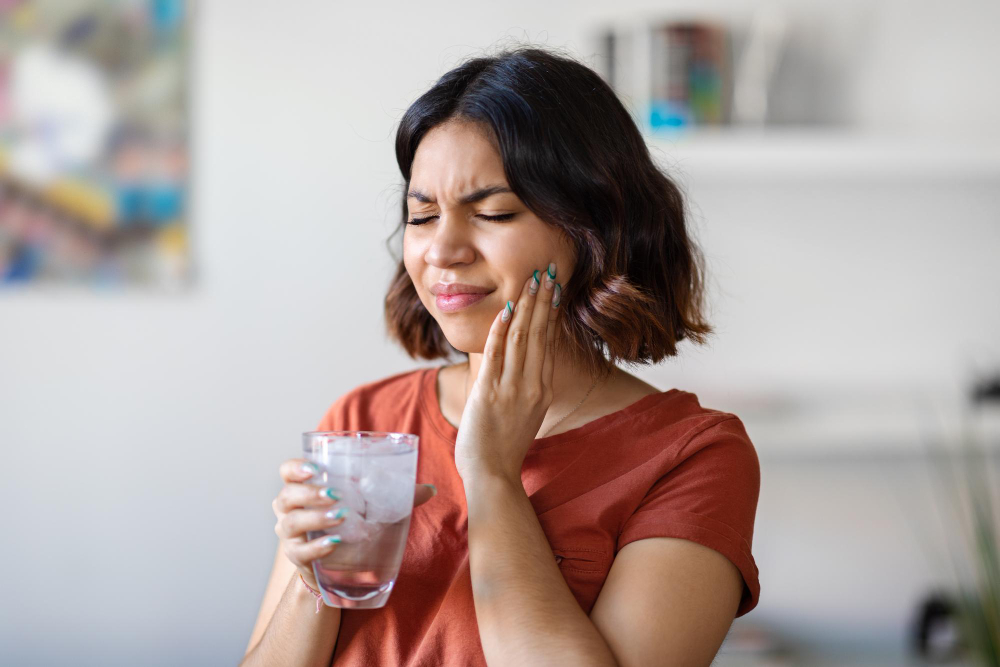
What Is Tooth Sensitivity?
Tooth sensitivity is a common dental problem. It causes sharp pain or discomfort when you eat or drink something hot, cold, sweet, or sour. Sometimes, even breathing in cold air can trigger pain. Because tooth sensitivity can affect your daily life, it is important to know how to prevent sensitive teeth and keep your smile healthy.
Common Causes of Tooth Sensitivity
Many factors can lead to sensitive teeth. For example, enamel, which is the hard outer layer of your teeth, can wear down over time. When this happens, the softer layer underneath, called dentin, becomes exposed. As a result, nerves inside your teeth may react to certain foods or drinks. Here are some common causes:
Signs and Symptoms
Tooth sensitivity can show up in different ways. However, the most common sign is a sudden, sharp pain. You may notice this pain when you:
If you feel these symptoms often, it may be time to learn how to prevent sensitive teeth and reduce tooth pain.
Proven Tips to Prevent Tooth Sensitivity
Thankfully, you can take steps to protect your teeth. For instance, making small changes in your daily routine can help. Try these proven tips to prevent tooth sensitivity:
According to the American Dental Association and the World Health Organization, these steps can lower your risk of tooth sensitivity and help maintain a healthy smile.
Lifestyle and Oral Care Recommendations
Besides daily brushing, your overall lifestyle matters too. For example, a balanced diet supports strong teeth. Here are some oral care for sensitive teeth and lifestyle tips:
Additionally, using fluoride mouthwash can help strengthen your enamel. Because healthy habits protect your teeth, they also reduce tooth pain and sensitivity.
When to See a Dentist
Sometimes, home care is not enough. If your tooth sensitivity lasts more than a few days, you should see a dentist. Also, if you notice swelling, bleeding gums, or severe pain, seek help right away. Early treatment can prevent bigger problems. Your dentist can suggest treatments like fluoride gels, dental sealants, or other solutions to reduce tooth pain and sensitivity.
In summary, taking care of your teeth every day can help prevent tooth sensitivity. However, if you have ongoing pain, consult a dentist for personalized advice on managing tooth sensitivity.