
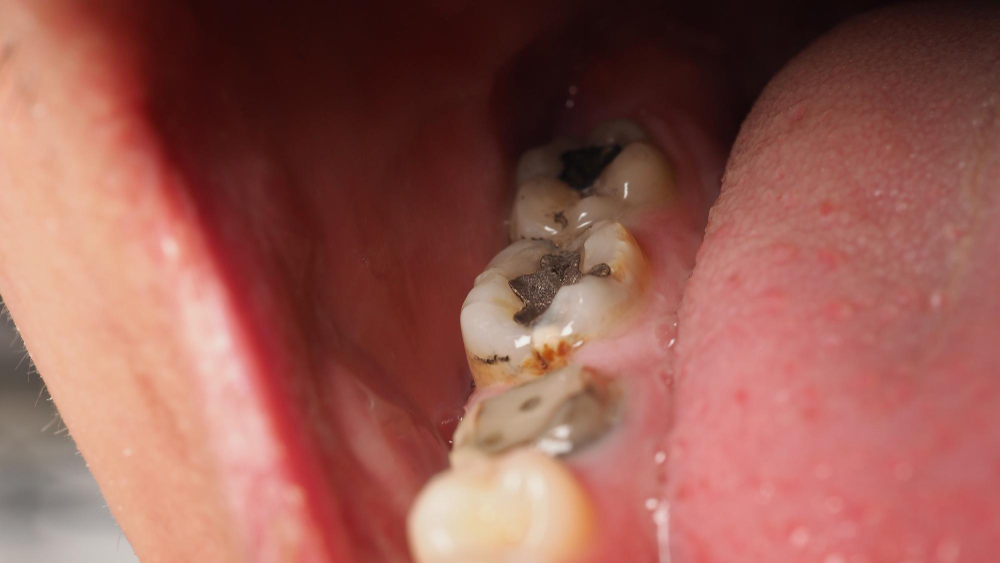
Tooth decay, also called cavities, is a common dental problem. Many people wonder about the role of fluoride and tooth decay prevention. In fact, fluoride is a key tool in fighting cavities. But how does fluoride prevent cavities? What are the benefits of fluoride for teeth? In this blog, you will learn about fluoride, how it helps, and get simple cavity prevention tips. Understanding these facts can help you keep your smile healthy and strong.
What is Tooth Decay (Cavities)?
Tooth decay happens when the hard surface of your tooth breaks down. This breakdown is caused by acids made by bacteria in your mouth. When you eat or drink sugary foods, bacteria use the sugar to make acid. Over time, this acid can make holes in your teeth. These holes are called cavities. If left untreated, cavities can cause pain, infection, or even tooth loss. Therefore, it is important to prevent tooth decay before it starts.
How Does Fluoride Work to Prevent Cavities?
Fluoride is a natural mineral. It helps protect your teeth in several ways. First, fluoride makes the outer layer of your teeth, called enamel, stronger. This means your teeth can resist acid attacks better. Second, fluoride can help repair tiny early damage to your teeth. This process is called remineralization. As a result, fluoride stops small problems before they become big cavities. According to the Centers for Disease Control and Prevention (CDC), using fluoride is one of the best ways to prevent tooth decay.
Sources of Fluoride (Water, Toothpaste, Treatments)
There are many ways to get fluoride for your teeth. Some of the most common sources include:
Because fluoride is found in many places, it is easy to include in your daily routine.
Benefits and Safety of Fluoride Use
Fluoride offers many benefits for your teeth. For example, it:
Fluoride is safe when used as directed. The World Health Organization and Centers for Disease Control and Prevention (CDC) both support the use of fluoride in water and dental products. However, too much fluoride can cause mild white spots on teeth, called fluorosis, mostly in children. But this is rare when you use the right amount. Always follow your dentist’s advice for safe fluoride use.
Tips for Effective Cavity Prevention
Besides using fluoride, there are other steps you can take to prevent cavities. Try these tips:
By following these steps, you can keep your teeth healthy and avoid cavities.
Common Myths About Fluoride
There are some myths about fluoride. Let’s clear up a few:
Because of these facts, health experts recommend fluoride for everyone.
When to See a Dentist
Even with good care, you should see your dentist regularly. For example, visit your dentist if you:
Your dentist can check for early signs of tooth decay and suggest the best fluoride options for you.
In summary, fluoride is a safe and powerful tool for preventing tooth decay. By using fluoride and following good dental habits, you can protect your teeth for life. Consult your dentist for personalized advice on cavity prevention and fluoride use.