
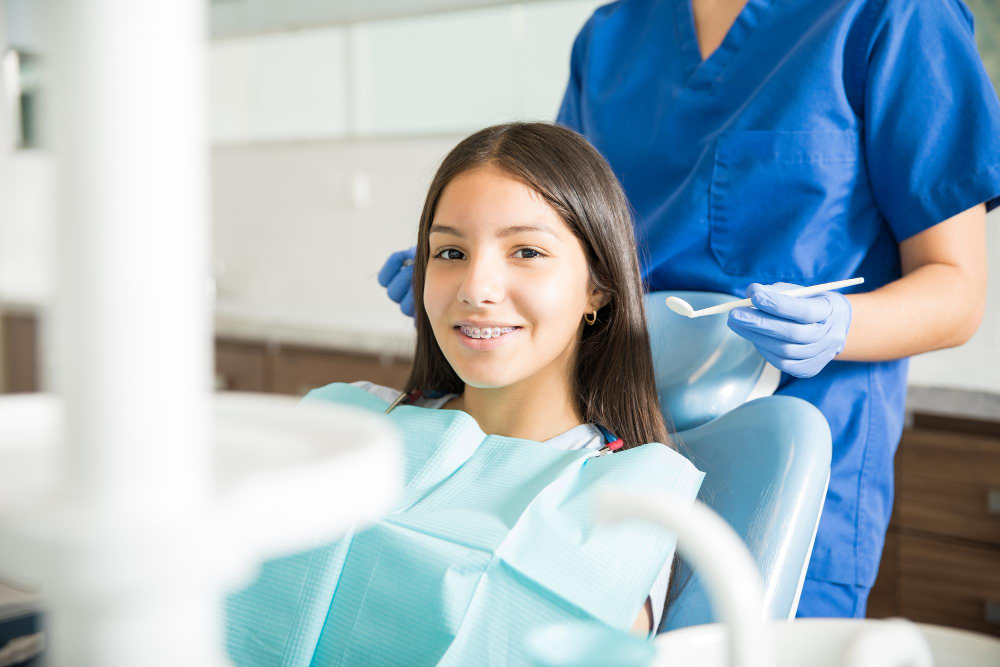
Introduction to Braces and Their Purpose
Braces help straighten teeth and fix bite problems. Many children and teens get braces to improve their smiles. In the US, orthodontists often recommend braces to correct crowded, crooked, or spaced teeth. The ideal age for braces depends on each child’s needs. However, timing can affect results and comfort. Braces not only improve looks but also help with chewing and speaking. According to the American Association of Orthodontists, early care can prevent bigger problems later.
Why Age Matters for Braces
Age plays a key role in orthodontic treatment timing. Children’s jaws and teeth change as they grow. Because of this, starting braces at the right age can make treatment easier and faster. Early treatment may guide jaw growth and prevent future issues. On the other hand, waiting too long can make some problems harder to fix. Therefore, knowing the best age for braces helps parents plan ahead.
Signs a Child or Teen May Need Braces
Some signs show a child or teen may need braces. If you notice these, consider seeing an orthodontist:
For example, if your child has trouble biting, it may be time for a dental check.
The Ideal Age Range for Starting Braces
So, when should kids get braces? Most experts say the best age for braces is between 9 and 14 years old. During this time, children have a mix of baby and adult teeth. Their jaws are still growing, which helps braces work better. The American Association of Orthodontists suggests children see an orthodontist by age 7. While treatment may not start right away, early visits help spot problems early. In some cases, teens or even adults can benefit from braces, but treatment may take longer.
Benefits of Early vs. Late Treatment
Both early and late treatments have benefits. Early treatment can:
However, late treatment may be better if all adult teeth are present. Teens and adults can still get great results, but treatment may take more time. Additionally, older patients may need extra dental care before starting braces.
What to Expect During the Process at Different Ages
The process for braces can vary by age. For young children, treatment may start with simple devices to guide jaw growth. As children get older, full braces may be used. Teens often get traditional braces or clear aligners. Adults may need longer treatment or extra steps, such as tooth removal. No matter the age, regular visits and good oral care are important. Most treatments last from 18 months to three years.
Tips for Parents Considering Braces for Their Children
Parents can help make the process easier. Here are some tips:
Remember, early planning can lead to better results and a healthier smile.
Frequently Asked Questions About Age and Braces
Conclusion: Prevention and Oral Health Tips
In summary, the ideal age for braces is usually between 9 and 14 years old. Early checks help spot problems before they get worse. Good oral care and regular dental visits are key for a healthy smile. If you think your child may need braces, act early. Consult a certified orthodontist to determine the best age for braces for your child.