
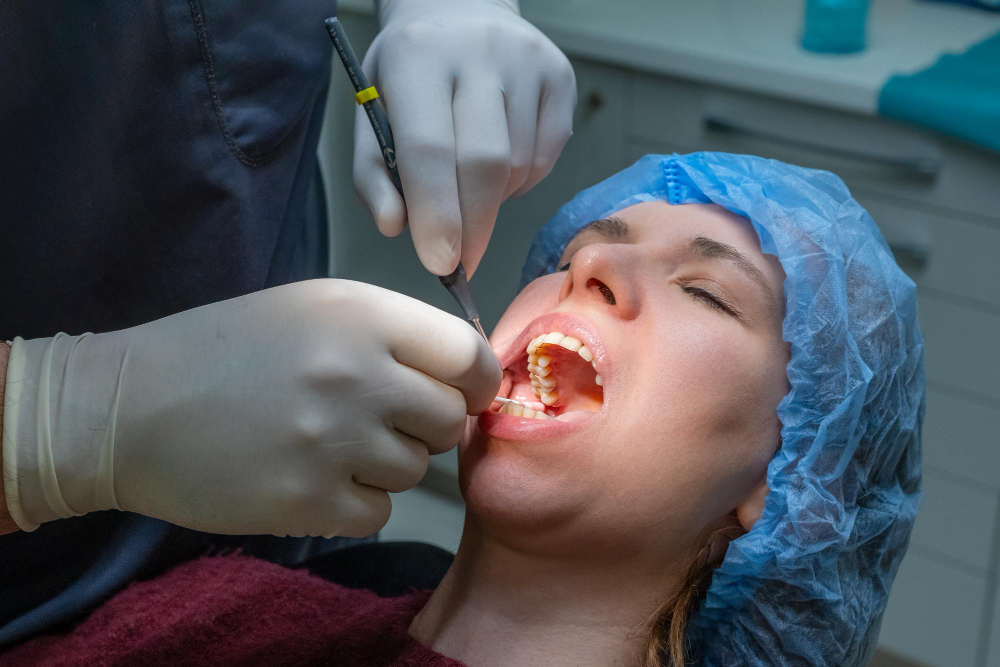
Introduction
Handling dental trauma quickly is very important. If you have a knocked-out or fractured tooth, taking the right steps can save your smile. The primary keyword, handling dental trauma, means knowing what to do in an emergency. Immediate action can help save a knocked-out tooth or reduce pain from a broken tooth. In many cases, fast first aid for dental trauma can make a big difference. This guide will show you what to do if your tooth is knocked out or broken. It will also explain when to seek emergency dental care.
What is Dental Trauma?
Dental trauma is an injury to the teeth, gums, or mouth. It can happen to anyone, at any age. Often, it results from accidents, sports, or falls. Sometimes, dental trauma causes a tooth to break or get knocked out. Other times, it may lead to bleeding or swelling. Because dental trauma can be painful and scary, knowing how to respond is important. Quick action may help save a tooth and prevent infection. According to the American Dental Association (ADA), acting fast can improve the chances of saving a knocked-out tooth.
Common Causes of Knocked-Out or Fractured Teeth
Many things can cause dental trauma. For example, children and adults can both be affected. Here are some common causes:
Because these events can happen suddenly, it helps to know what to do if a tooth breaks or gets knocked out.
Immediate Emergency Steps for a Knocked-Out Tooth
If a tooth is knocked out, quick action is key. The sooner you act, the better the chance to save a knocked-out tooth. Here are the steps to follow:
According to the ADA and CDC, these steps can help save a knocked-out tooth.
Immediate Emergency Steps for a Fractured Tooth
Sometimes, a tooth may break or crack instead of falling out. If this happens, you should act quickly. Here is what to do if your tooth breaks:
Quick first aid for dental trauma can help prevent infection and further damage.
When to Seek Professional Dental Care
Even if the injury seems small, you should see a dentist soon. Sometimes, damage is not visible right away. Seek emergency dental care if you have:
Because dental trauma can lead to infection or tooth loss, a dentist should check your mouth. The World Health Organization (WHO) also recommends early care for dental injuries.
Prevention Tips for Dental Injuries
While accidents can happen, you can lower your risk. Here are some tips to help prevent dental trauma:
By following these steps, you can help protect your teeth and avoid dental emergencies.
Conclusion
In summary, handling dental trauma quickly can save a knocked-out or fractured tooth. Always follow the right emergency steps and seek dental care as soon as possible. If you experience dental trauma, consult a dentist immediately for personalized care.