
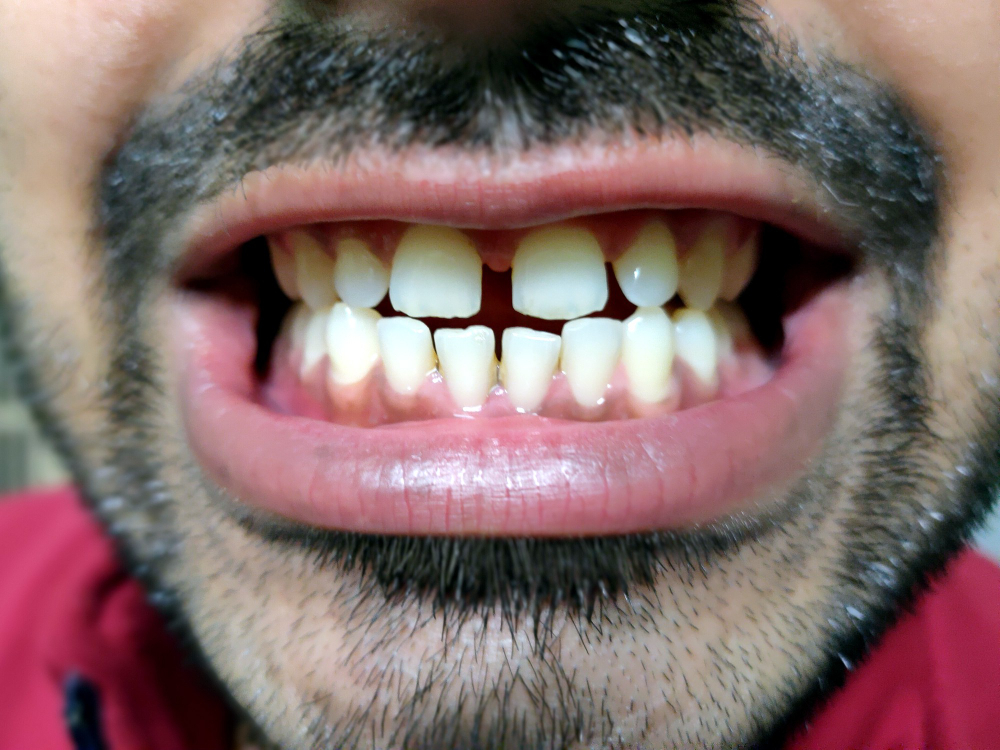
Gap teeth, also called diastema, are spaces between two or more teeth. Many people have gap teeth, especially between the front teeth. Some people love their unique smile, while others want to close the gaps. Often, people seek gap teeth treatment to boost confidence or improve oral health. If you are searching for how to fix gap teeth, you are not alone. There are many safe and effective ways to close teeth gaps and improve your smile.
Causes of Gap Teeth
Gap teeth can happen for several reasons. Understanding the cause can help you choose the right treatment. For example, genetics play a big role. If your parents have gap teeth, you might have them too. Sometimes, habits or dental problems also lead to gaps.
Problems Associated with Gap Teeth
While some people are happy with their gap teeth, others may face problems. For instance, food can get stuck in the gaps, making cleaning harder. This may lead to cavities or gum disease. In addition, some people feel self-conscious about their smile. As a result, gap teeth can affect self-esteem and social confidence. According to the American Dental Association (ADA), untreated gaps may sometimes cause bite issues or speech problems.
Ways to Fix Gap Teeth
If you want to close teeth gaps, several dentist-recommended solutions are available. Each option has its own benefits and drawbacks. Below are the most common gap teeth treatment options:
For the best results, always ask a dentist for gap teeth treatment near you. They can help you choose the right option for your needs.
Prevention and Oral Care Tips
While not all gaps can be prevented, good oral care can help. For example, regular brushing and flossing keep your teeth and gums healthy. In addition, routine dental checkups can catch problems early. Here are some tips to protect your smile:
When to See a Dentist
Sometimes, gap teeth need professional care. You should see a dentist if you notice:
Early treatment can prevent bigger problems later. Therefore, do not wait if you have concerns.
Frequently Asked Questions
Can gap teeth close on their own?
In children, some gaps may close as adult teeth come in. However, in adults, gaps usually need dental treatment to close.
Is fixing gap teeth painful?
Most treatments, like bonding or clear aligners, cause little or no pain. Braces may cause mild discomfort at first, but this usually fades.
How long does gap teeth treatment take?
The time depends on the method. For example, bonding and veneers can be done in one or two visits. Braces or aligners may take several months to a year.
Conclusion and Call-to-Action
Gap teeth are common and can be treated in many ways. Whether you want to fix gap teeth for health or cosmetic reasons, safe and effective options are available. Remember, only a dentist can recommend the best treatment for your unique smile. Consult a qualified dentist to discuss the best way to fix gap teeth for your unique smile.