
Introduction
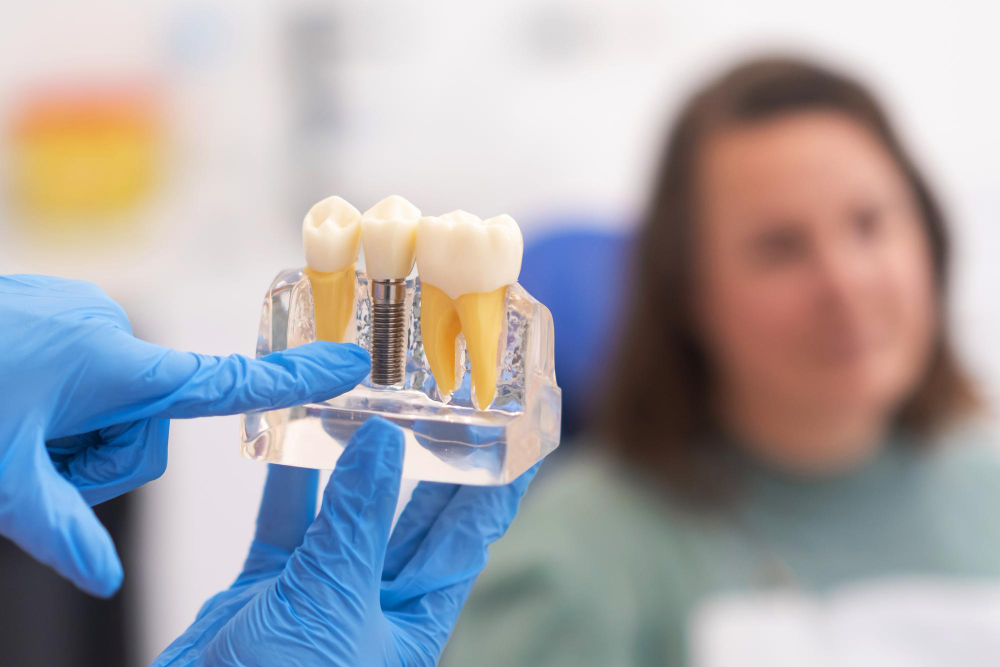
Dental implants are artificial tooth roots. Dentists use them to replace missing teeth. These implants look and feel like natural teeth. Because they are strong, they help you chew and speak better. Many people choose dental implants for a lasting solution. In this blog, you will learn about dental implants, their benefits, the implant procedure, possible risks, and aftercare tips.
Benefits of Dental Implants
Dental implants offer many advantages. For example, they can improve your smile and boost your confidence. Here are some key benefits:
Additionally, dental implants do not harm nearby teeth. They also help keep your mouth healthy.
Who Needs Dental Implants?
Not everyone needs dental implants. However, they are a good choice for people who:
Before getting dental implants, your dentist will check your mouth and health. Sometimes, extra steps are needed if you have bone loss or gum disease.
The Dental Implant Procedure
The dental implant procedure happens in several steps. Each step is important for success. Here is a simple overview:
Because healing takes time, the whole process may last several months. However, the results are often worth the wait.
Risks and Potential Complications
Dental implants are safe for most people. Still, like any procedure, there are some risks. For example, you may have:
However, most problems are minor and can be treated. Choosing an experienced dentist lowers your risk. Always follow your dentist’s advice for the best results.
Aftercare and Recovery Tips
Proper aftercare helps your dental implants last longer. Here are some helpful tips:
Because healing is important, always follow your dentist’s instructions. If you notice pain, swelling, or bleeding, contact your dentist right away.
Frequently Asked Questions
Conclusion
Dental implants can restore your smile and improve your quality of life. They are a safe and lasting choice for many people. However, every mouth is different. Consult a dental specialist for personalized advice on implants.