
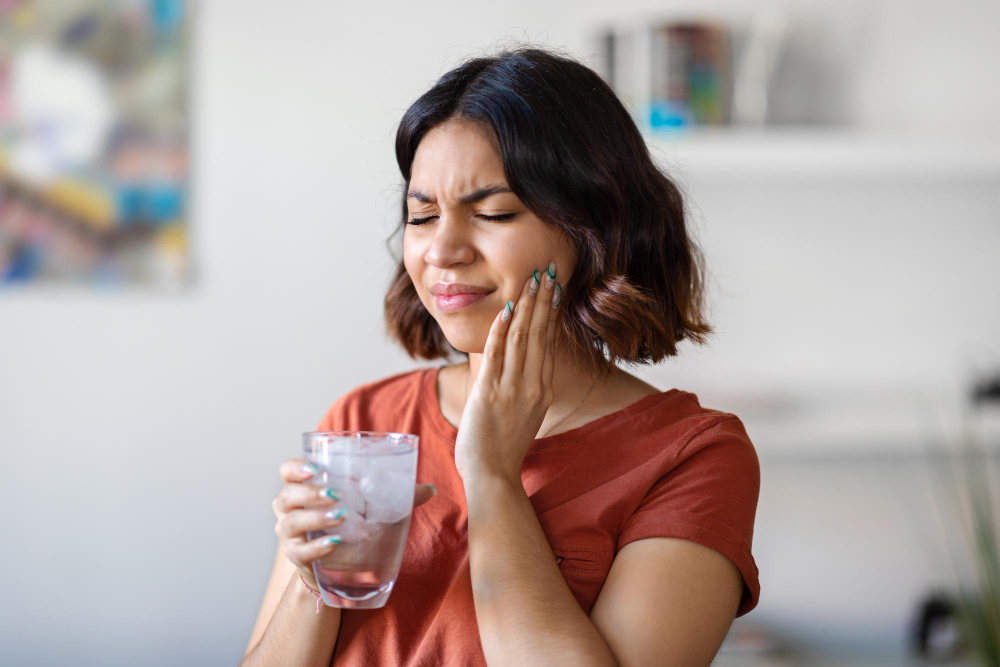
Tooth sensitivity can make eating and drinking uncomfortable. It happens when your teeth react to hot, cold, sweet, or acidic foods. Many people want to prevent tooth sensitivity and enjoy a pain-free smile. If you want to reduce tooth sensitivity, follow these sensitive teeth prevention tips. You can also protect enamel from sensitivity with simple daily habits. Let’s explore how you can keep your teeth strong and healthy.
What Is Tooth Sensitivity?
Tooth sensitivity means feeling pain or discomfort in your teeth. Usually, this happens when you eat or drink something hot, cold, sweet, or sour. Sometimes, even breathing in cold air can cause pain. The pain is often sharp and sudden. However, it usually goes away quickly. Sensitive teeth can affect anyone, but it is more common in adults.
Common Causes of Tooth Sensitivity
There are several reasons why teeth become sensitive. Understanding these causes can help you prevent tooth sensitivity.
According to the American Dental Association, enamel loss is a leading cause of sensitivity. Also, gum disease can make the problem worse.
Signs and Symptoms
It is important to notice the signs of tooth sensitivity early. This way, you can take steps to prevent it from getting worse.
If you notice these symptoms, you may have sensitive teeth. Early action can help reduce tooth sensitivity.
Proven Tips to Prevent Tooth Sensitivity
There are many ways to prevent tooth sensitivity and keep your smile healthy. Try these proven tips:
The Centers for Disease Control and Prevention (CDC) and dental experts recommend these steps for sensitive teeth prevention. Following them can help you avoid pain and discomfort.
Daily Oral Care Habits
Good daily habits are key to reducing tooth sensitivity. Here are some simple steps you can follow:
With these habits, you can protect enamel from sensitivity and keep your teeth strong.
Foods and Drinks to Avoid
Some foods and drinks can make tooth sensitivity worse. Therefore, it is best to limit or avoid them.
Instead, choose water, milk, and non-acidic fruits. These choices help protect your teeth and reduce tooth sensitivity.
When to See a Dentist
Sometimes, home care is not enough. If your tooth sensitivity does not improve, you should see a dentist. In addition, if you notice severe pain, swelling, or bleeding gums, seek help right away. Your dentist can check for problems like cavities or gum disease. They may suggest special treatments to help reduce tooth sensitivity. Early care can prevent bigger problems later.
In summary, simple steps can help you prevent tooth sensitivity and enjoy a healthier smile. Consult a dentist for personalized advice on managing tooth sensitivity.