
Introduction
Many people grind or clench their teeth at night. This condition is called bruxism. Over time, bruxism can harm your teeth and jaw. Night guards are special devices that protect your teeth from bruxism damage. They act as a barrier between your upper and lower teeth. Because of this, night guards help prevent wear, pain, and other dental problems. In this blog, you will learn how night guards work, their benefits, and how to care for them.
What Is Bruxism?
Bruxism means grinding, clenching, or gnashing your teeth. Often, it happens during sleep, so you may not notice it. However, some people also grind their teeth during the day. According to the American Dental Association, bruxism affects both children and adults. While mild bruxism may not need treatment, severe cases can cause lasting damage. For this reason, it is important to know the signs and seek help if needed.
Common Symptoms and Risks of Bruxism
Bruxism can cause many symptoms. Sometimes, you may not realize you have it until you visit your dentist. Still, there are signs to watch for, such as:
Over time, bruxism can lead to serious problems. For example, it may cause cracked teeth, gum recession, or even tooth loss. In addition, it can strain your jaw muscles and joints. Because of these risks, early treatment is important.
How Night Guards Work
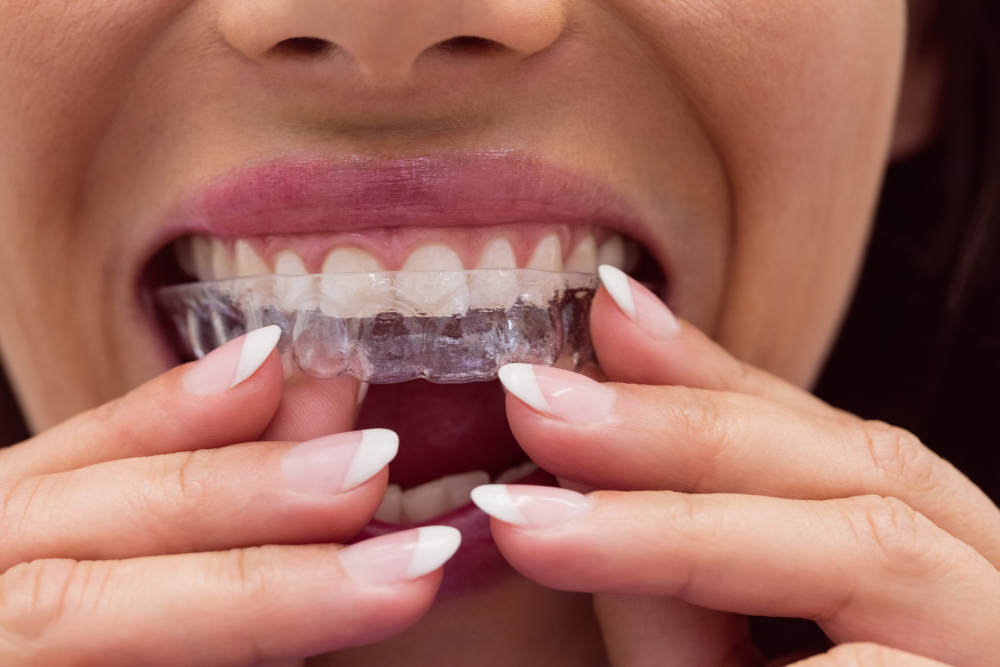
Night guards are custom-made or ready-to-wear devices. You place them over your teeth before bed. As a result, they create a cushion between your upper and lower teeth. This barrier absorbs the pressure from grinding or clenching. Therefore, night guards help prevent tooth damage and jaw pain. In many cases, they also reduce headaches and improve sleep quality. Dentists often recommend night guards for people with bruxism.
Types of Night Guards
There are several types of night guards. Each type offers different levels of comfort and protection. Here are the main options:
Because everyone’s mouth is different, your dentist can help you choose the best type for your needs.
Benefits of Using Night Guards for Bruxism
Night guards offer many benefits for people with bruxism. For instance, they:
In addition, night guards can save you money on dental repairs. Because they prevent damage, you may avoid costly treatments in the future.
How to Choose and Care for a Night Guard
Choosing the right night guard is important. First, talk to your dentist about your symptoms. They can recommend the best type for you. Custom-fitted guards usually offer the most comfort and protection. However, boil-and-bite guards are a good option if you need something quickly.
Once you have a night guard, proper care is key. Here are some tips:
With good care, your night guard can last for years.
Prevention Tips and Lifestyle Guidance
While night guards help protect your teeth, there are other ways to manage bruxism. For example, you can:
Because lifestyle changes can lower your risk, it is wise to combine them with night guard use.
Conclusion
Bruxism can cause serious harm to your teeth and jaw. However, night guards offer a simple and effective way to protect your smile. If you think you may have bruxism, do not wait. Consult your dentist to find the right night guard and protect your teeth from bruxism damage.
Sources: American Dental Association, Centers for Disease Control and Prevention, Journal of the American Dental Association