
Introduction
Dental braces help straighten teeth and fix bite problems. Today, you can choose between clear aligners and traditional braces. Both options work well, but they have different features. In this blog, we will compare dental braces, including clear aligners and traditional braces. You will learn about their benefits, costs, and how to care for them. This guide will help you decide which dental braces are right for you.
What Are Dental Braces?
Dental braces are devices that move teeth into better positions. They help fix crooked teeth, gaps, and bite issues. Many people use dental braces to improve their smile and oral health. Braces can be made of metal, ceramic, or clear plastic. Each type works in a unique way to shift teeth over time. According to the American Association of Orthodontists, millions of people wear dental braces each year.
How Do Traditional Braces Work?
Traditional braces use metal brackets and wires. The dentist glues brackets to each tooth. Then, a wire connects the brackets. Over time, the dentist tightens the wire to move teeth slowly. Sometimes, rubber bands help fix bite problems. Traditional braces are strong and can fix many dental issues. They stay on your teeth until treatment ends. Usually, you visit the dentist every few weeks for adjustments.
What Are Clear Aligners?
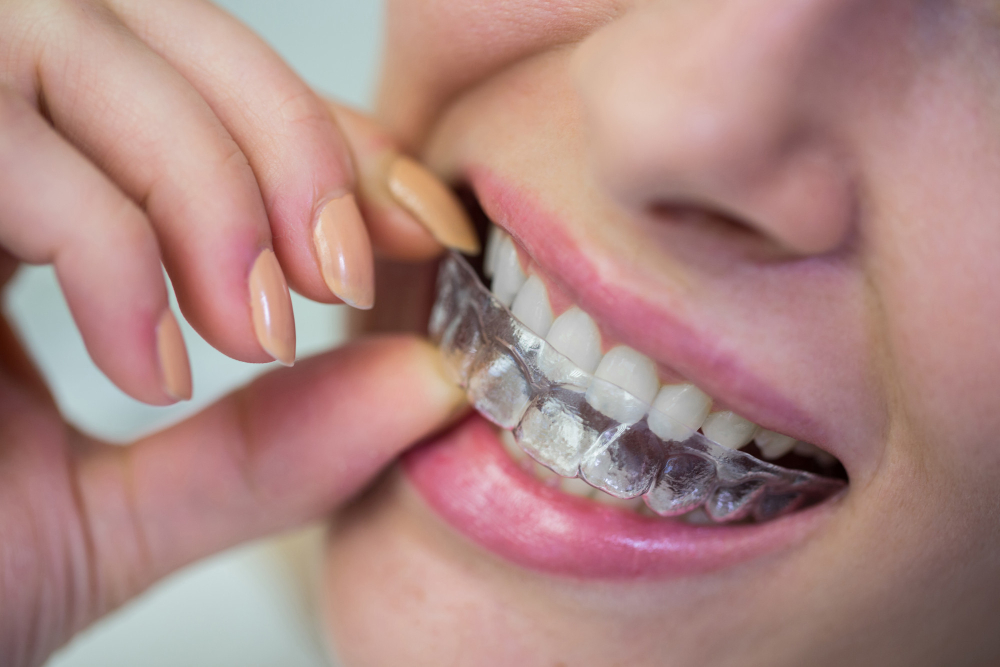
Clear aligners are plastic trays that fit over your teeth. They are almost invisible and easy to remove. You get a new set of aligners every one to two weeks. Each set moves your teeth a little closer to the final position. Clear aligners, like Invisalign, are popular for adults and teens. They work best for mild to moderate dental problems. You must wear them for 20 to 22 hours each day for the best results.
Key Differences: Clear Aligners vs. Traditional Braces
Pros and Cons of Each Option
Traditional Braces
Clear Aligners
Who Should Consider Each Type?
Not everyone is a good fit for every type of dental braces. For example, traditional braces are best for children, teens, and adults with complex dental issues. They work well for crowded teeth, big gaps, or severe bite problems. On the other hand, clear aligners are great for adults and teens with mild to moderate issues. If you want a less visible option, aligners may be right for you. However, you must be able to wear them as directed. Your dentist can help you choose the best dental braces for your needs.
Cost, Maintenance, and Treatment Duration
Cost is an important factor when choosing dental braces. Traditional braces usually cost between $3,000 and $7,000 in the United States. Clear aligners, like Invisalign, often cost between $4,000 and $8,000. Prices can vary by location and case complexity. Maintenance is also different. Braces need careful cleaning and regular dental visits. Aligners need to be cleaned daily and replaced every few weeks. Treatment time depends on your dental needs. Most people wear braces or aligners for 12 to 24 months. Some cases may take longer. According to the Centers for Disease Control and Prevention (CDC), good oral care can help shorten treatment time.
Tips for Choosing the Right Dental Braces
Prevention and Oral Care During Treatment
Good oral care is key during dental braces treatment. For example, brush your teeth after every meal. Use a soft toothbrush and fluoride toothpaste. Floss daily to remove food between teeth and braces. If you wear aligners, clean them with mild soap and water. Avoid sugary snacks and drinks to prevent tooth decay. Visit your dentist for regular check-ups and cleanings. The World Health Organization recommends keeping your mouth clean to avoid problems during treatment.
Conclusion
Both clear aligners and traditional braces can help you achieve a healthy, beautiful smile. Each option has its own benefits and drawbacks. Therefore, it is important to talk to a dental professional before making a choice. Consult a qualified dentist or orthodontist to find the best dental braces for your needs.