
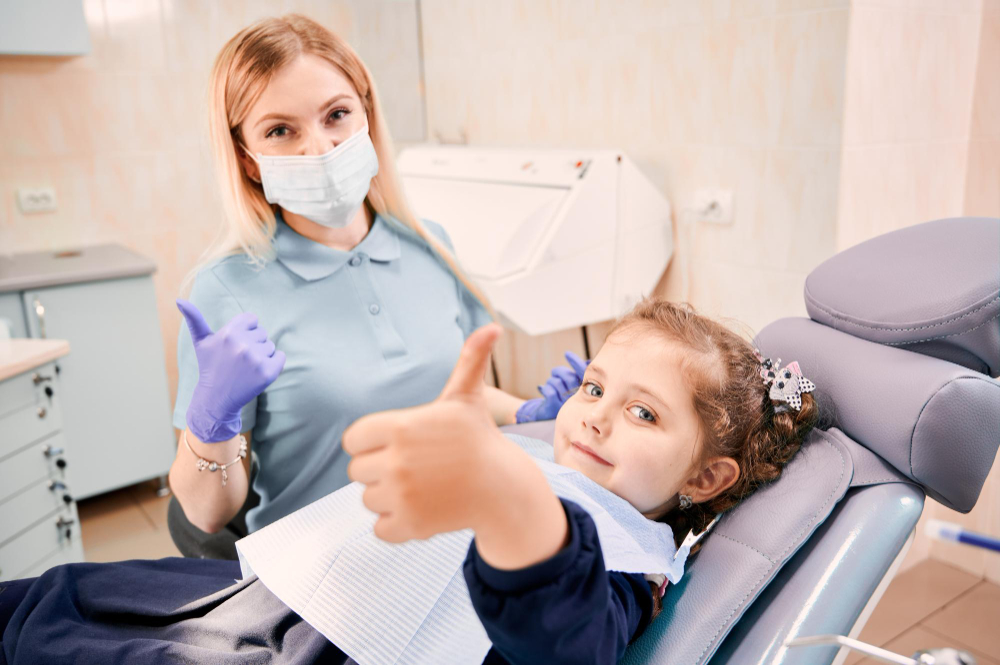
Introduction
Many parents wonder, “When should your child’s first dental visit be?” Early dental visits are important for your child’s health. In fact, starting dental care early helps prevent problems. It also teaches good habits from a young age. According to experts, early childhood oral health sets the stage for a lifetime of healthy smiles.
Recommended Age for First Dental Visit
The American Academy of Pediatric Dentistry (AAPD) recommends that children see a dentist by their first birthday. You should schedule your child’s first dental appointment when the first tooth appears, or no later than age one. This early visit helps spot any issues before they become serious. It also gives parents a chance to learn about proper care. If you live in a city with many pediatric dentists, you may find it easier to get an early appointment.
What to Expect During the First Visit
During your child’s first dental visit, the dentist will check your child’s mouth gently. Usually, the dentist looks for signs of tooth decay and checks the gums. The visit is often short and friendly. The dentist may:
Most children feel comfortable when parents stay close during the visit. The dentist will explain each step to help your child feel safe.
Benefits of Early Dental Care
Early dental care offers many benefits. First, it helps prevent tooth decay, which is common in young children. Also, it allows the dentist to spot problems early. This means treatment can start before issues get worse. In addition, early visits help your child get used to the dental office. This can reduce fear in the future. Good early care supports healthy teeth and gums as your child grows.
Tips for Parents to Prepare Their Child
Preparing your child for their first dental visit can make the experience easier. Here are some helpful tips:
With these steps, your child may feel more relaxed and ready for their first dental appointment.
Prevention and Oral Hygiene Guidance
Good oral hygiene starts early. Even before teeth appear, you can clean your baby’s gums with a soft, damp cloth. Once the first tooth comes in, use a small, soft toothbrush. Use only a tiny amount of fluoride toothpaste. Brush your child’s teeth twice a day. Also, avoid giving sugary drinks or snacks often. Regular dental check-ups and healthy habits help prevent cavities and other problems. Your dentist can give advice that fits your child’s needs.
Frequently Asked Questions (FAQ)
Conclusion
Starting dental visits early is key to healthy teeth and gums. Early care helps prevent problems and builds good habits. For the best advice, consult a pediatric dentist for personalized guidance on your child’s oral health.